Common Electric Blunders During DIY Renovations
Throughout DIY improvements, you require to stay clear of usual electric blunders like excessive using extension cables, which can boost fire dangers. Always turn off power at the circuit breaker before starting any kind of job, and verify circuits are de-energized. Inappropriate wiring, using inaccurate cord gauges, or neglecting regional codes can lead to severe dangers. It's crucial to examine your circuit's capacity to manage loads and seek expert help when you're unsure. Discover a lot more regarding necessary electrical safety measures following.

Takeaways
- Excessive using extension cables can lead to enhanced fire threats; use them just for temporary power requirements.
- Stopping working to shut off the circuit breaker prior to do it yourself job can lead to electrical shock.
- Ignoring neighborhood electric codes and needed licenses can produce risky conditions and cause fines.
- Not assessing circuit ability may overload breakers, running the risk of stumbled circuits or fire risks.
- Wrong circuitry methods, such as making use of the wrong scale cable, can cause getting too hot and fires.
Common Electrical Safety And Security Errors to Prevent
When taking on do it yourself remodellings, it's essential to focus on electric security, as also small oversights can bring about significant threats. One usual error is overusing expansion cords. While they supply short-lived services, counting on them for long-term power can enhance fire threats. Make sure any extension cable used is rated for the desired tons and never ever daisy-chain several cords.
An additional crucial oversight is inappropriate do it yourself rewiring. Falling short to electrician chestfield switch off power at the breaker prior to beginning work can result in electric shock. Always validate that circuits are de-energized with a multimeter. Additionally, using inaccurate wire scale can bring about overheating and potential fires. By being alert about these concerns, you can significantly reduce the danger of electric accidents in your renovations.
Understanding Electrical Codes and Permits
Comprehending electrical codes and allows is vital for anyone undertaking DIY restorations, as compliance assurances both security and legality. You need to familiarize yourself with neighborhood codes, which can differ noticeably. Disregarding these guidelines can lead to expensive penalties or, worse, risky problems. Permit timelines are important; they often need advance applications and can take weeks for approval. Don't undervalue the value of sticking to code updates, as these can alter often based upon security standards and technical advancements. Before beginning any kind of electrical work, see to it you have the needed permits, and speak with regional authorities for certain demands. This proactive technique not only boosts security yet additionally ensures your project aligns with laws, ultimately safeguarding your investment and confidence.
Assessing Circuit Capability and Load
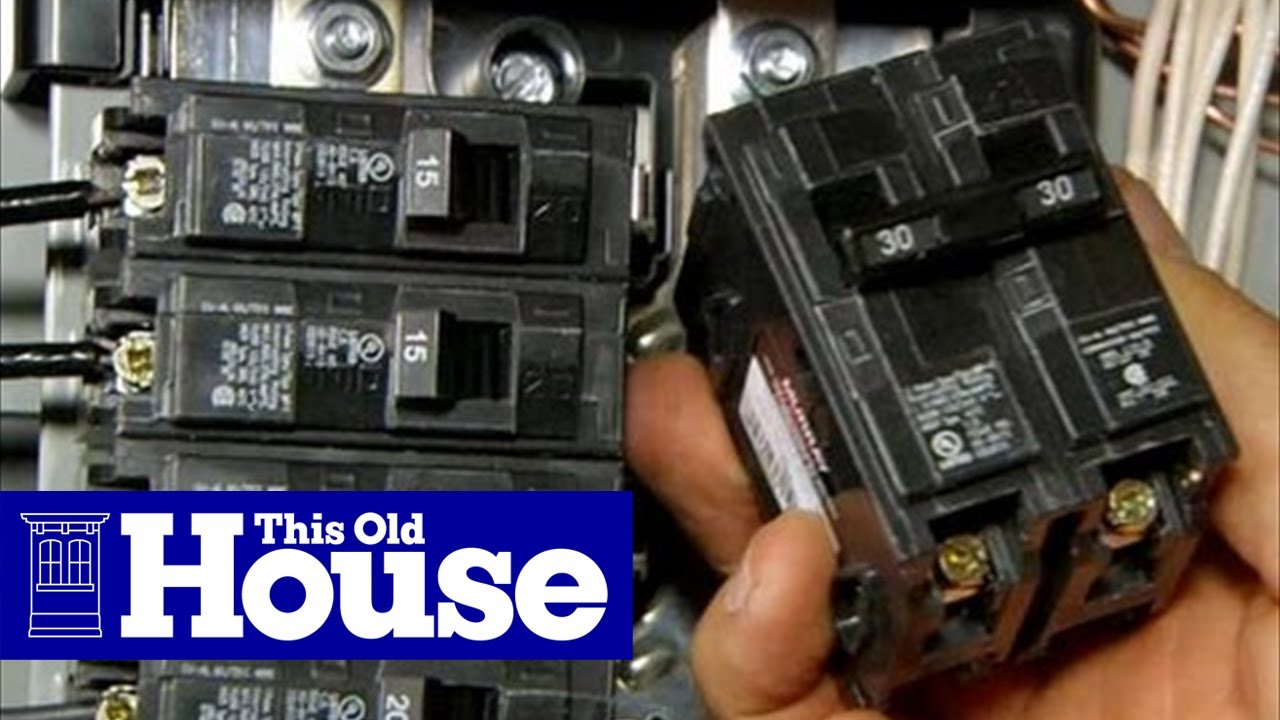
Examining circuit ability and lots is vital to assure your electric system can manage the demands of your improvement. If you overload breakers, you run the risk of stumbled circuits or worse, fire risks. Understanding the present tons electrician chestfield and preparation for potential boosts can save you from costly panel upgrades.
Lots KindAmperage Demand Lighting Circuit15-20 Amps Kitchen area Devices20-30 Amps HVAC System30-60 Amps General receptacles15-20 Amps Heavy Equipment40-100 AmpsWhy Grounding and Bonding Are Necessary?
Grounding and bonding are important components of any electrical system, as they guarantee security and integrity by protecting against electric shock and assisting in mistake current paths. Appropriate grounding makes sure that any kind of ground mistakes are directed safely right into the earth, lessening the danger of electrical shock. Bonding links various steel components within your electrical system, lowering the potential for voltage distinctions that could lead to hazardous problems. Electrode links play an important function in establishing a low-resistance path to ground, which enhances the overall safety and security of your installment. By making sure that all basing and bonding techniques are diligently complied with, you're not just abiding by electric codes however likewise safeguarding on your own and your building from serious electric risks.
When to Speak with an Electrical Contractor for Safety?
Although you may feel great dealing with various DIY tasks, knowing when to consult an electrical expert is crucial for safety. If you come across problems like flickering lights or tripped breakers, it's time to seek expert help. Additionally, if you're not sure regarding correct electrical outlet positioning or exactly how to handle voltage screening, don't wait to call a specialist. Blunders in these locations can bring about severe hazards, consisting of electric fires or shock. When preparing to install brand-new circuits or customize existing circuitry, seeking advice from an electrician warranties compliance with local codes. Bear in mind, your safety and security isn't worth the risk of DIY mistakes. Always focus on professional advice when electrical jobs surpass your proficiency or convenience level.
Frequently Asked Concerns
Can I Utilize Expansion Cords as Permanent Wiring Solutions?
Making use of expansion cables as permanent circuitry solutions resembles trying to make use of a band-aid for a busted bone-- it just will not hold up. While they come in handy for temporary setups, relying upon them lasting creates a substantial security danger. The insulation can wear down, resulting in prospective overheating or fires. For your safety and peace of mind, it's crucial to mount appropriate electrical wiring as opposed to going for a fast fix that can spell calamity later on.

Exactly how Do I Pick the Right Light Fixtures for My Area?
To choose the right light for your space, start by reviewing scale-- consider the space's measurements and the fixture's dimension. A larger space may need larger, declaration components, while smaller areas gain from portable layouts. Next off, assess shade temperature level; warmer tones (2700K-3000K) produce a comfy atmosphere, while cooler tones (4000K-5000K) provide an even more energised feeling. Balancing these components guarantees your illumination enhances the area successfully and meets your practical requirements.
What Devices Do I Need for Standard Electric Job?
For basic electrical work, you'll require a couple of important devices. Begin with cord strippers to properly remove insulation without harming the wire. A voltage tester is crucial for guaranteeing circuits are safe prior to you start any job. Furthermore, a screwdriver set, pliers, and electric tape will certainly serve. Having these tools on hand will certainly aid you execute jobs effectively and safely, lessening the threat of electric dangers during your tasks.
How Can I Tell if My Circuitry Is Outdated?
If your wiring's a relic from the past, it's time to take a more detailed look. Examine for knob and tube wiring, which lacks grounding and is frequently out-of-date. If you see light weight aluminum electrical wiring, that's one more warning; it's understood for its threat of getting too hot. Inspect for frayed insulation and frequent breaker journeys. If you're not sure, consulting a qualified electrical expert can aid ensure your home's electrical system is secure and up to code.
What Are the Signs of Electric Overload in My Home?
If you're experiencing flickering lights or constant stumbled breakers, your home's electrical system may be overwhelmed. These indicators indicate that the demand for electrical energy surpasses what your electrical wiring can securely handle. You may also discover cozy or blemished receptacles, which can signal getting too hot. Regularly examine your circuit lots and guarantee home appliances are evenly distributed throughout circuits to prevent potential threats and preserve a secure electric atmosphere in your house.